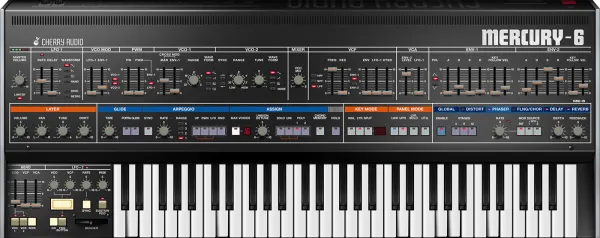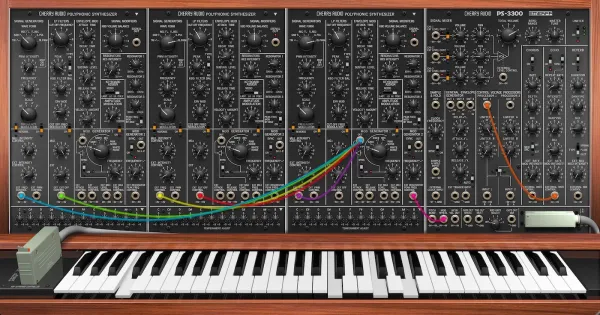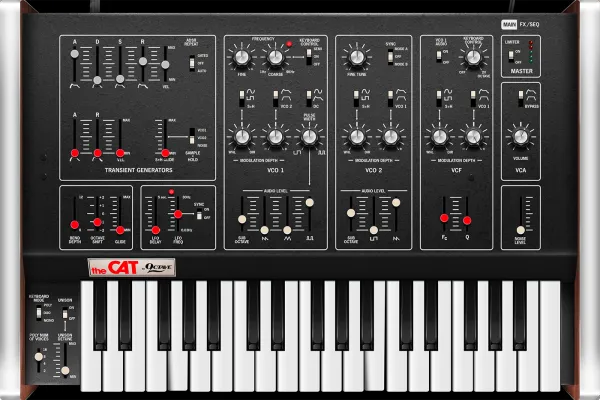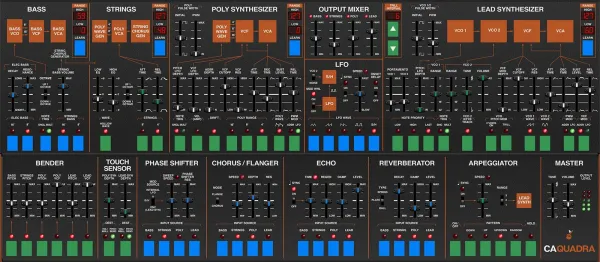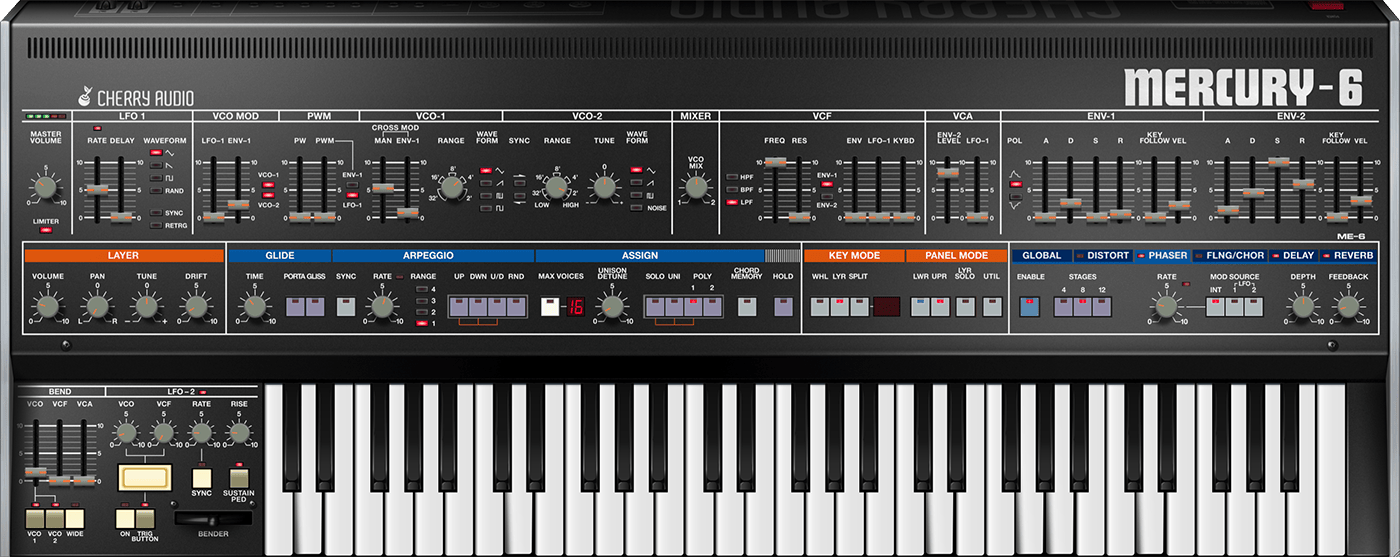
Mercury-6 by Cherry Audio

- Free trial
- No iLok
- Offline support
- No player
- Resizable UI
- Perpetual license
Declared by the developer. Not verified by BetterPlugins.
Mercury-6 by Cherry Audio
Overview
This instrument is a detailed reinterpretation of a historically important analog polysynth that helped define a turning point in electronic music. It is known for a darker, more complex character than many of its contemporaries, making it especially well suited for cutting leads, powerful basses, and harmonically rich textures.
While the original hardware had notable limitations, this modern incarnation preserves its sonic identity while extending it significantly for contemporary production workflows.
Analog Architecture and Sound
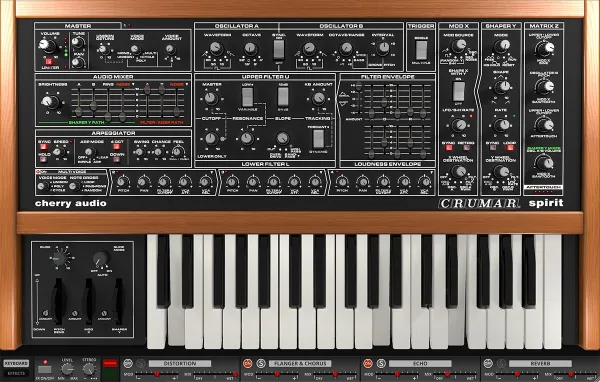
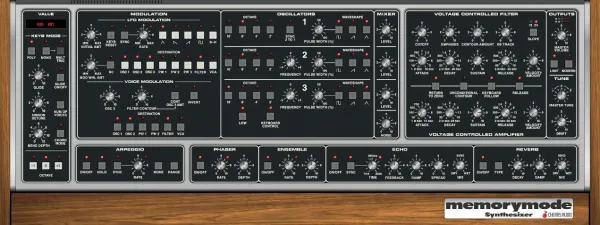
The sound engine is built around a classic dual-oscillator design with support for multiple simultaneous waveforms. This allows for dense, harmonically complex tones that can range from smooth and controlled to aggressive and raw.
Notable sound characteristics include:
- Strong, edgy oscillator tone with flexible waveform combinations
- A multimode filter capable of lowpass, highpass, and bandpass responses
- Cross-modulation for metallic, biting, and experimental timbres
Filters and Modulation Depth
A defining feature is the multimode filter, which offers far more flexibility than many analog designs of its era. This contributes to a sharper, more modern edge that works particularly well in electronic genres such as techno, electro, and industrial.
Two tempo-syncable LFOs and oscillator cross-modulation provide extensive motion and complexity, enabling evolving pads, animated sequences, and expressive solo sounds.
Layering, Polyphony, and Performance
One of the most significant enhancements is the ability to use layered or split sounds, effectively stacking two patches with independent control. Expanded polyphony ensures that complex arrangements and sustained chords remain clear and stable.
Performance-focused features include:
- Powerful unison modes for massive leads and basses
- Chord memory for instant harmonic playback
- Velocity and expressive control for dynamic playing
Arpeggiator and Musical Tools
The arpeggiator is closely modeled on the original design but extended with modern conveniences such as MIDI tempo sync and additional playback modes. This makes it ideal for rhythmic patterns, driving sequences, and classic electronic motifs.
These tools encourage hands-on experimentation and fast musical results.
Effects and Modern Enhancements
An integrated effects section adds depth and polish, including distortion, modulation effects, delay, and reverb. These effects are designed to complement the synth engine and can be applied per layer or globally.
Additional modern features such as efficient CPU usage, scalable UI, extensive preset content, and full automation support make it practical for everyday use in modern DAWs.
Overall, it delivers a balance of vintage attitude and modern flexibility, appealing to producers who want a distinctive analog voice with contemporary control and reliability.